

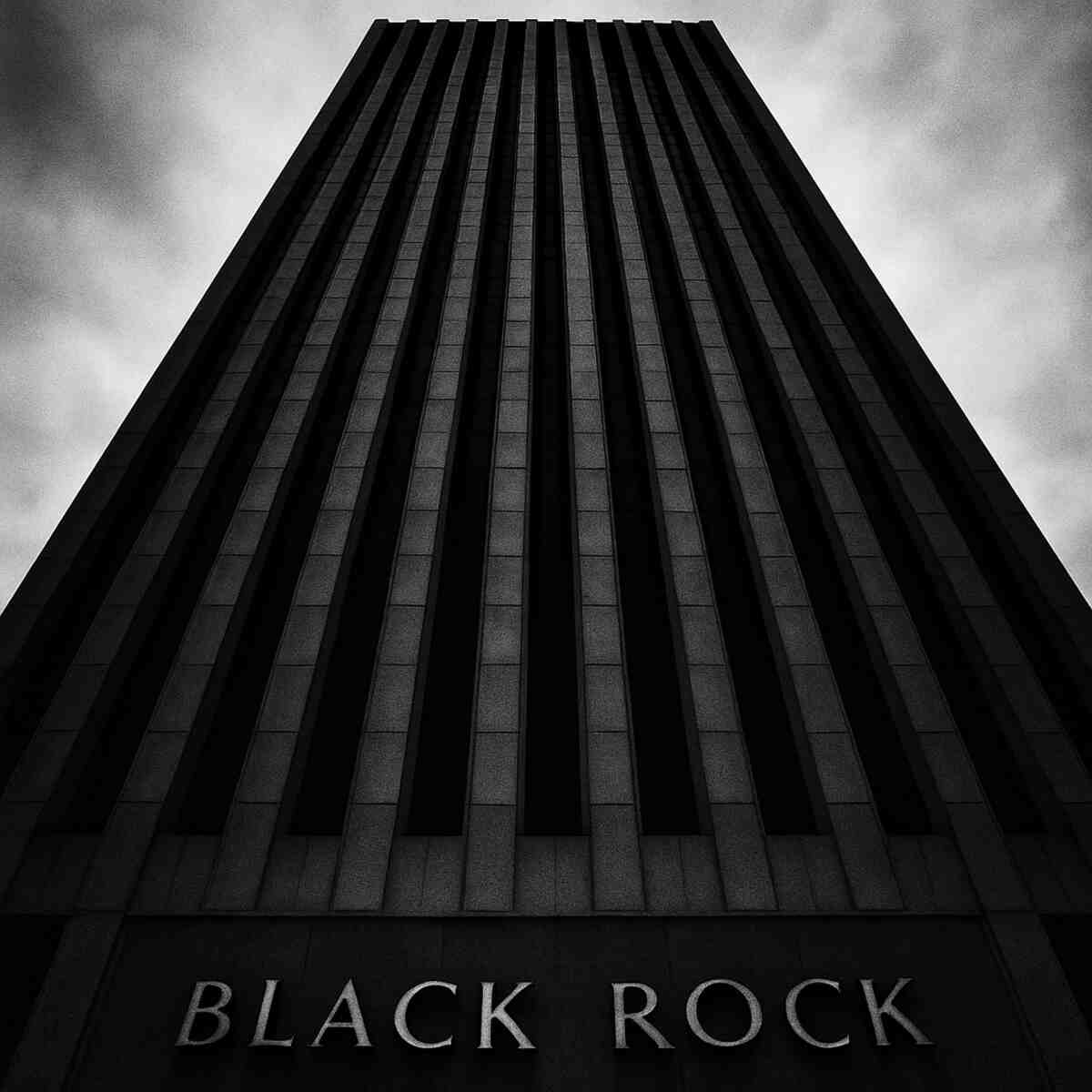

Ever walked into a grand old building and felt it was… stuck? The layout feels awkward, the lighting is dim, and it seems designed for a world that no longer exists. That is the exact challenge facing one of New York’s most famous skyscrapers. To save the iconic CBS Building, often called the “Black Rock,” its owners are planning what amounts to a billion-dollar heart transplant. This isn’t a CBS Renovation of television shows; it’s a radical overhaul of the 38-story tower at 51 West 52nd Street to keep it from becoming a magnificent relic. Find the best CBS Renovation.
Completed in 1965, the building was a masterpiece from legendary architect Eero Saarinen, a pillar of corporate modernism whose dark granite projected unshakeable power. Inside, however, was a world built for typewriters and private corner offices, not the collaborative, tech-saturated demands of a 21st-century workforce. The very features that made it an architectural landmark—its fortress-like base and rigid interior grid—have become its greatest liabilities, creating a central conflict between its historic soul and its functional future.
To solve this puzzle, owner Vornado Realty Trust has hired the boundary-pushing architecture firm Bjarke Ingels Group (BIG) for a complete redevelopment. Their plan is a delicate surgical operation: to insert new life, light, and collaborative spaces into Saarinen’s monolithic vision without shattering its powerful character. It’s a high-stakes attempt to prove that a historic building doesn’t have to be a museum piece; it can evolve.
This is a story of respecting the celebrated history of a landmark while confronting the hidden problems forcing a dramatic change. It’s an unveiling of stunning new designs that explore what this ambitious project means for the future of preserving architectural icons while building a foundation for tomorrow.
Why an Icon Like “Black Rock” Needs a Billion-Dollar Heart Transplant
To understand why a celebrated New York City skyscraper needs a billion-dollar overhaul, you have to travel back to 1965. When the CBS Building first rose at 51 West 52nd Street, it was more than just an office tower; it was a statement. Nicknamed “Black Rock” for its imposing, dark granite facade, it was the only skyscraper ever designed by Eero Saarinen, the visionary architect behind iconic works like the soaring TWA Flight Center at JFK Airport and the gleaming Gateway Arch in St. Louis. The building was designed to be a fortress of corporate power and privacy, a masterpiece of mid-century cool.
Saarinen’s design was revolutionary for its time, breaking from the glass-box look of its Park Avenue neighbors. Three key features made it a landmark from day one:
- It was the first all-concrete skyscraper in New York City. This allowed for a powerful, solid appearance, with structural columns pushed to the exterior to create open, uninterrupted floor space inside.
- The unforgettable dark facade. Instead of steel and glass, Saarinen chose triangular pillars clad in near-black Canadian granite, creating a somber, monumental look that absorbs light rather than reflecting it.
- An inward-focused design. The building was set back from the street in a sunken plaza, with a ground floor designed for exclusivity, not public engagement. It was a private club for a media giant.
But a building perfectly tailored to the Mad Men era faces immense challenges in the 21st century. What was once seen as a symbol of strength and permanence is now, in many ways, functionally obsolete. The very features that made Black Rock an icon are the source of its modern-day problems. The world of work has changed dramatically since 1965, and the building simply wasn’t designed for today’s demands for openness, collaboration, and energy efficiency.
This clash between past and present plays out in practical, costly ways. The original single-pane windows, a standard of their time, leak energy and make the building incredibly expensive to heat and cool by modern standards. The fortress-like design, with its deep-set windows, results in darker interiors that are the exact opposite of the bright, light-filled offices that today’s companies demand. Furthermore, its once-exclusive ground floor feels unwelcoming in an age where premier office towers are expected to be vibrant hubs with public art, retail, and cafes.
The result is a classic dilemma: how do you update a designated historic landmark without destroying its soul? You can’t simply tear it down, but leaving it as-is would be a slow march toward irrelevance. The building doesn’t need a simple facelift; it needs a heart transplant, a fundamental re-engineering to prepare it for the next 50 years.
The New Blueprint: How Bjarke Ingels Plans to “Peel Back” Black Rock
To tackle a challenge of this magnitude, the building’s owner, Vornado Realty Trust, needed an architect known for radical yet respectful thinking. They found their answer in Bjarke Ingels Group (BIG), a Danish firm famous for transforming seemingly impossible constraints into playful, human-centered designs. BIG isn’t known for quiet, subtle updates; they are the masterminds behind projects like a waste-to-energy plant in Copenhagen topped with a public ski slope. Their selection signaled a bold new vision for the future of 51 West 52nd Street: this wouldn’t be a simple polish, but a fundamental reimagining of the building’s relationship with the city.
Rather than fighting Black Rock’s imposing character, BIG’s plan embraces it through a concept of architectural “intervention.” Think of it less like a renovation and more like a carefully planned sculpture. The core idea is to “peel back” the building’s severe, fortress-like base to reveal a warm, dynamic interior. This surgical approach aims to preserve Saarinen’s iconic tower while completely transforming how it meets the ground. It’s an act of opening up, turning a building that once looked inward into one that invites the public inside.
The most dramatic expression of this philosophy will be the complete overhaul of the ground floor. For decades, the entrance has been dark and recessed, pulling away from the sidewalk and creating a psychological barrier between the building and the street. The new design completely inverts this. It will replace the heavy, shadowy granite with a soaring, transparent glass facade that wraps around the base. The sunken plaza will be raised to street level, creating a seamless flow from the public sidewalk into a bright, multi-level lobby filled with light, greenery, and open space.
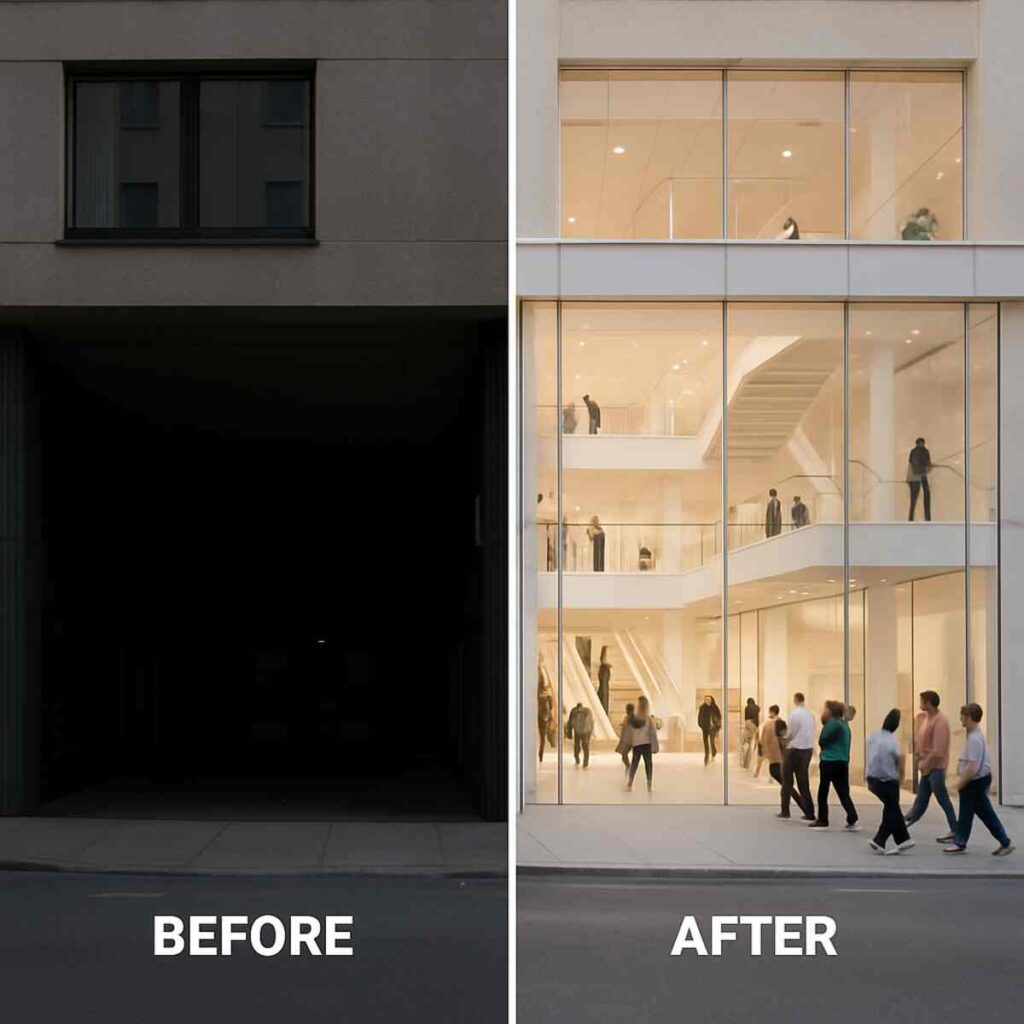
This transformation does more than just update the building’s look; it redefines its purpose. Where once there was an exclusive corporate moat, there will now be a welcoming public living room. The new design envisions a space where office workers, visitors, and passersby can meet, relax, or simply enjoy a moment of pause in a beautiful setting. By blurring the line between the private tower and the public realm, BIG’s plan aims to give Black Rock a new civic identity, turning it from a monument you observe into a destination you experience.
But this new philosophy of openness doesn’t stop at the front door. The same principles of light, connection, and modern functionality are being applied throughout the entire tower, promising a host of surprising new amenities that will redefine work and life within its historic walls.
Beyond the Lobby: The Surprising New Amenities Coming to 51 West 52nd Street
In a world where working from home is a powerful alternative, the modern office must offer more than just a desk. This reality has sparked a “flight to quality” in commercial real estate, where companies are abandoning mediocre spaces in favor of buildings that provide a truly exceptional experience. Vornado Realty Trust’s ambitious plan for the Black Rock building is a direct response to this trend, aiming to create an environment so compelling that it becomes a destination in its own right—a place that actively supports collaboration, wellness, and creativity.
This shift has given rise to what designers call office amenity programming: the deliberate curation of services and spaces that function less like a workplace and more like a five-star hotel or a private club. It’s no longer enough to have a sad basement gym or a sterile cafeteria. The goal is to integrate work with life, providing everything an employee might need or want throughout their day, all under one roof. For 51 West 52nd Street, this means a complete overhaul of what the tower offers its inhabitants.
The centerpiece of this effort is a collection of stunning new features designed to transform the daily experience of being in the building. The most transformative upgrades in this NYC corporate headquarters restoration include:
- The Great Hall: A massive, 40,000-square-foot amenity floor featuring a variety of cafes, cocktail bars, and flexible collaborative lounges for informal meetings or quiet work.
- A Gourmet Food Destination: A new, high-end food hall that will be accessible not only to tenants but also to the public, further integrating the building with the surrounding neighborhood.
- A State-of-the-Art Wellness Center: A comprehensive fitness facility with advanced equipment, class studios, and spa-like recovery zones.
- Landscaped Outdoor Terraces: Multiple new outdoor spaces will be carved into the building’s facade, offering fresh air, greenery, and stunning city views—a rare luxury in a midtown skyscraper.
- Upgraded “Smart” Elevators: The entire elevator system will be modernized with destination dispatch technology to dramatically reduce wait times and crowding.
Beyond the headline features, even the basic functions of the building are being re-engineered for modern efficiency. Destination dispatch elevators, for instance, represent a subtle but profound improvement. Instead of just pressing an “up” button and waiting, you’ll enter your desired floor on a digital kiosk in the lobby. The system then intelligently groups passengers and assigns you to a specific elevator car that is making the most efficient trip, minimizing stops along the way. It’s a small change that saves thousands of hours of collective waiting time over a year.
Ultimately, these new amenities at the Black Rock building are more than just perks; they are tools. The open lounges are designed to spark the spontaneous conversations that remote work often lacks. The wellness center acknowledges the growing importance of mental and physical health. The outdoor terraces provide a necessary connection to nature in a dense urban environment. Vornado is betting that this holistic approach will create a workplace that isn’t just a location, but a strategic advantage.
But how do you insert a modern glass-walled food hall and carve open-air terraces into a building celebrated for its rigid, historic perfection? This leads to the most delicate part of the entire project: balancing radical innovation with the profound duty of architectural preservation.
The Preservation Puzzle: How Do You Renovate a Landmarked Legend?
Tackling a project of this scale isn’t just a matter of hiring architects and construction crews. When a building is as iconic as the Black Rock tower, its history becomes an active participant in any renovation. The central challenge lies in navigating the strict rules that come with its official status. In 1997, the New York City Landmarks Preservation Commission (LPC) designated the building’s exterior a historic landmark, effectively placing its dark granite facade under legal protection. This means that Eero Saarinen’s imposing, monolithic design cannot be arbitrarily altered; it must be respected as a piece of the city’s architectural heritage.
Fortunately for the ambitious amenity plan, this designation came with a crucial distinction: only the exterior was protected. The building’s interior was never granted landmark status, giving the developers a surprising amount of freedom. This created a fascinating architectural paradox. Think of it like restoring a priceless, antique book—the historic, beautifully crafted cover must be meticulously preserved, but you are free to completely update the pages inside with a modern story. This is precisely the strategy at 51 West 52nd Street: honor the historic outer shell while completely reimagining the experience within.
This doesn’t mean the facade is untouchable. The plan to carve out new outdoor terraces, for instance, required a delicate and lengthy negotiation with the Landmarks Preservation Commission. To win approval, the project’s architects had to prove that their proposed changes would not detract from the building’s powerful, unified character. They presented detailed models and renderings demonstrating how the new openings would be integrated harmoniously, arguing that these modifications were in the spirit of progress that Saarinen himself championed. This process highlights one of the great challenges of historic skyscraper renovation: balancing the past with the present requires not just ingenuity, but deep respect for the original vision.
Beyond adding new elements, a significant part of the renovation involves turning back the clock on the building’s exterior wear and tear. Decades of exposure to the elements have taken a toll on the dark granite panels and bronze-tinted window frames that give the tower its nickname. The restoration includes a meticulous, top-to-bottom cleaning and repair of this historic facade, ensuring its dramatic presence is secured for another generation. But this deep-level work goes beyond aesthetics. Modernizing a 60-year-old building skin also presents a unique opportunity to dramatically improve its performance, turning this icon of the past into a model for a more sustainable future.
Greener Than Black: Unpacking the Surprising Eco-Friendly Upgrades
While building a brand-new, shiny skyscraper might seem like the greenest path forward, the reality is often the opposite. The most sustainable choice made for the Black Rock tower was the decision to renovate it at all. Every ton of steel, concrete, and granite used in its original construction represents a massive amount of energy that was spent decades ago. This “embodied carbon”—the total greenhouse gas emissions from manufacturing and construction—is already sunk into the building. By preserving the tower’s core and shell, the project avoids releasing a colossal new wave of carbon into the atmosphere, making this restoration an act of large-scale recycling.
A huge part of this performance boost comes from replacing the building’s entire “skin.” The original 1960s single-pane windows are being swapped out for state-of-the-art high-performance thermal glass. Think of it like upgrading an old thermos to a modern, vacuum-sealed one. This new glass is far better at insulation, keeping the building warmer in the winter and cooler in the summer. As a result, the tower will need significantly less energy to run its heating and air conditioning, directly cutting its daily carbon footprint and energy costs while preserving the facade’s iconic bronze tint.
Inside the tower, the modernization is just as dramatic. The old, fossil-fuel-dependent systems are being completely replaced with an all-electric infrastructure, from the heating and cooling to the hot water. This shift means the building will no longer burn gas on-site, a critical step in decarbonizing New York City’s dense urban landscape. Paired with intelligent, automated lighting and shading systems that adjust to the time of day and occupancy, these upgrades ensure that not a single kilowatt of energy is wasted, transforming the 60-year-old icon into a model of efficiency.
All these individual upgrades are designed to meet a single, ambitious goal: achieving a high-level LEED certification. LEED, which stands for Leadership in Energy and Environmental Design, is essentially the official report card for green buildings. Earning a top rating like LEED Gold is a powerful, independent verification that the renovation has succeeded in creating a healthier, more sustainable, and resource-efficient environment. For a landmark from a bygone era, this commitment doesn’t just restore its appearance; it secures its relevance for a climate-conscious future.
A Game of Musical Chairs: What the Renovation Means for Paramount and Future Tenants
With all this construction, a major question hangs in the air: Is Paramount leaving its historic home? The answer is a bit of corporate musical chairs. While Paramount Global is indeed moving its official headquarters to another one of its Manhattan properties, it’s not abandoning the Black Rock building. The company will consolidate its presence but remain as the building’s long-time anchor tenant—essentially, the star occupant that provides a stable financial base and a strong identity for the property. This move allows the building’s owner, Vornado Realty Trust, to free up prime upper floors for new, high-paying clients.
This massive investment isn’t just about preserving history; it’s a calculated business strategy known as repositioning an asset. Think of it like a spectacular home flip. Vornado is spending hundreds of millions on upgrades to transform the 1960s-era tower into a modern, ultra-desirable workplace. The goal is to attract a new class of elite tenants who are willing to pay top dollar for premium, sustainable, and technologically advanced office space. By doing so, they elevate the building’s status and dramatically increase its rental income for decades to come.
Vornado’s bet is particularly well-timed, as it capitalizes on a powerful trend sweeping through commercial real estate: the “flight to quality.” In the wake of the pandemic and the rise of remote work, companies are finding they need to offer an exceptional office experience to entice employees back. As a result, businesses are leaving their older, less inspiring offices and flocking to best-in-class buildings that offer modern amenities, great locations, and green credentials. This renovation is designed to ensure the Black Rock building is a prime destination for that flight, not a building left behind.
Ultimately, the Black Rock renovation is a powerful example of how to make a landmark relevant again. It’s a strategic play that preserves an icon’s legacy while securing its financial future in a rapidly changing market. By investing in quality, sustainability, and modern design, the project ensures the tower will be filled with leading companies long after the construction dust settles.
Is This Related to the ‘Secret Celebrity Renovation’ TV Show?
With all this talk of CBS and a high-profile renovation, it’s natural to wonder if there’s a connection to the popular TV series Secret Celebrity Renovation. It’s a reasonable question, but the simple answer is no—the two projects are completely separate and vastly different in scale. The confusion highlights an interesting distinction between a media company, its real estate, and the shows it produces.
The television show CBS Secret Celebrity Renovation is a heartwarming reality series in which famous personalities give a surprise home makeover to someone who has played a special role in their lives. Each episode follows a star as they work with designers to transform a house, creating an emotional and life-changing reveal. It’s about personal gratitude, family homes, and the drama of a tight construction deadline.
In contrast, the Black Rock project is a massive corporate undertaking on a skyscraper, not a single-family home. Think of it this way: CBS, the company, creates TV shows as its product, just like a baker makes cakes. The Secret Celebrity Renovation show is one of their popular “cakes.” The Black Rock building, however, is one of the “kitchens” where the company’s employees work. While the company is famous for its cakes, this particular renovation is about upgrading the entire kitchen itself—a billion-dollar effort to prepare the iconic workspace for a new era.
The Next 50 Years: What Black Rock’s Transformation Means for New York City
What was once a dark, imposing tower from another era is undergoing a profound transformation. The intricate process of giving a 20th-century icon a 21st-century heart is turning its stone-cold fortress into a transparent, breathing hub that invites the city in.
This project is about more than just one address. The challenge of modernising a landmark office tower is one that cities from Chicago to Shanghai face. As a blueprint for the future, the CBS Building renovation proves that we don’t have to tear down our history to build a better-functioning, more sustainable world. Instead, we can honor a building’s strong bones while giving it new life, turning a private monolith into a public asset.
This massive undertaking represents a powerful vote of confidence in the future of cities and the communities they foster. It’s a bet that even in a digital world, we crave vibrant, physical spaces to connect and create. The future of 51 West 52nd Street is a commitment to a brighter, more open, and more engaging New York.
So, when will the CBS building reopen? While a project of this scale is a multi-year journey, the teams are working toward a full reopening in 2026. When the barriers finally come down, it will reveal more than just a renewed structure. It will mark the moment a quiet giant learned to speak a new, more welcoming language, ready for its next chapter and inviting the public to be a part of it.
