

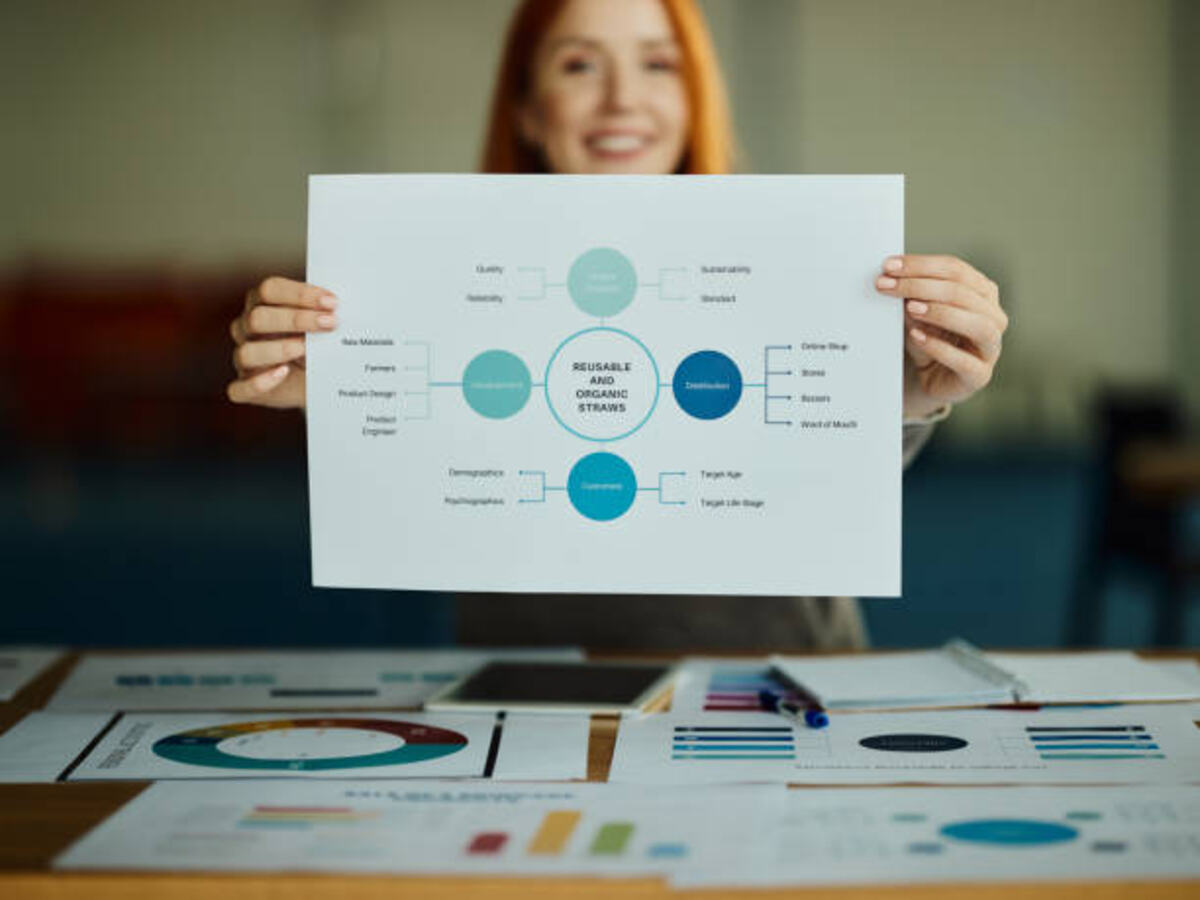

In the realm of strategic management and lean startup methodologies, the Business Model Canvas (BMC) emerges as a pivotal tool for elucidating, designing, and pivoting business models. This framework, renowned for its simplicity and comprehensive nature, provides a visual chart with elements describing a firm’s value proposition, infrastructure, customers, and finances. Let’s delve into effective strategies to harness the Business Model Canvas, particularly in the context of Business Model Canvas Training in Malaysia. Choose the best Business Model Canvas Training Malaysia.
The Business Model Canvas is a strategic management template that enables organizations to develop new business models or document existing ones. Created by Alexander Osterwalder, it is a visual chart with nine essential components: Customer Segments, Value Propositions, Channels, Customer Relationships, Revenue Streams, Key Resources, Key Activities, Key Partnerships, and Cost Structure.
- Customer Segments: Define the different groups of people or organizations you aim to reach and serve. It’s crucial to understand the diverse needs of various customer segments to tailor products and services effectively. Consider segmentation based on demographics, psychographics, and behavioral characteristics to create a comprehensive customer profile.
- Value Propositions: Articulate the unique mix of products and services that create value for your customer segments. The value proposition should resonate with customers’ needs and solve their pain points uniquely. Explore innovative ways to differentiate your offerings from competitors, ensuring that your value proposition is compelling and clear.
- Channels: Outline how a company communicates with and reaches its customer segments to deliver a value proposition. Channels can include various mediums such as digital platforms, physical stores, and direct sales. Evaluate the effectiveness of each channel and optimize them to enhance customer experience and ensure seamless delivery of value.
- Customer Relationships: Describe the types of relationships a company establishes with specific customer segments. Building strong customer relationships involves understanding customer expectations and fostering engagement. Implement strategies like personalized communication and loyalty programs to nurture long-term connections with customers.
- Revenue Streams: Identify the cash a company generates from each customer segment. Revenue streams can vary from direct sales to subscription models and licensing fees. Diversifying revenue streams can provide financial stability and resilience against market fluctuations, so explore multiple avenues for generating income.
- Key Resources: Highlight the most important assets required to make a business model work. Key resources can include physical, intellectual, human, and financial resources. Assess the adequacy of these resources in supporting your business model and identify opportunities for leveraging them more effectively.
- Key Activities: Enumerate the most important actions a company must take to operate successfully. Key activities are the core processes that drive business success, such as production, marketing, and customer service. Streamline these activities to improve efficiency and focus on actions that add the most value to your business model.
- Key Partnerships: Identify the network of suppliers and partners that make the business model work. Strategic partnerships can enhance capabilities and provide access to additional resources. Cultivate strong relationships with partners that align with your business goals and can contribute to mutual growth.
- Cost Structure: Describe all costs incurred to operate a business model. Understanding the cost structure involves analyzing both fixed and variable costs. Implement cost management strategies to optimize expenses and ensure that your business model remains financially sustainable.
Malaysia, as a burgeoning hub for startups and entrepreneurial ventures, offers numerous opportunities for Business Model Canvas training. These training sessions are designed to enhance the strategic acumen of business leaders, enabling them to craft robust business models tailored to the unique demands of the Malaysian market.
- Localized Insights: Gain insights into the Malaysian market, understanding regional customer behavior, regulatory environments, and competitive landscapes. Training sessions provide a deep dive into local market dynamics, helping participants align their business models with regional nuances.
- Expert Guidance: Benefit from the expertise of seasoned trainers who offer practical insights and real-world applications of the Business Model Canvas. Trainers with industry experience can provide valuable perspectives, helping participants navigate common challenges and avoid pitfalls.
- Collaborative Learning: Engage with peers from diverse industries, fostering a collaborative environment for sharing ideas and strategies. This interactive learning approach encourages participants to brainstorm and exchange innovative solutions to business model challenges.
Incorporating a business strategy course can significantly enhance the effectiveness of the Business Model Canvas. Such courses provide a broader context, equipping participants with the knowledge to integrate the BMC into overall strategic planning processes.
- Market Analysis: Understanding market dynamics and identifying key trends that impact business models. Strategic courses delve into methods for analyzing market forces, helping businesses anticipate changes and adapt proactively.
- Competitive Analysis: Assessing the competitive landscape and identifying opportunities for differentiation. These courses teach tools and frameworks for evaluating competitors, allowing businesses to carve out a unique market position.
- Strategic Positioning: Crafting a unique value proposition that resonates with target customer segments. Participants learn to align their business models with strategic objectives, ensuring coherence between value propositions and overall business goals.
Workshops offer an interactive platform for exploring and refining business models. They provide an opportunity for cross-functional teams to collaborate, bringing diverse perspectives to the table.
- Ideation Sessions: Encourage creative thinking and brainstorming to generate innovative business model ideas. Facilitated sessions guide participants in exploring new concepts and challenging existing assumptions, fostering a culture of innovation.
- Prototyping: Develop preliminary models and test their viability in a controlled environment. Workshops incorporate simulation exercises that allow teams to experiment with different business scenarios and refine their models based on feedback.
- Feedback Loops: Implement mechanisms for receiving and incorporating feedback to refine business models continuously. Regular feedback sessions ensure that business models evolve with changing market conditions and internal insights.
Consider a Malaysian startup seeking to revolutionize the e-commerce landscape. By employing the Business Model Canvas, the company can articulate its unique value proposition, identify key customer segments, and establish efficient distribution channels.
- Define Customer Segments: Identify specific demographics and psychographics of the target market. Conducting thorough market research helps the startup understand consumer preferences and tailor its offerings accordingly.
- Craft a Value Proposition: Develop a compelling value proposition that addresses the unique needs and preferences of Malaysian consumers. Positioning the startup’s offerings as solutions to specific local challenges can enhance its market appeal.
- Optimize Channels: Leverage digital and traditional channels to reach and engage customers effectively. A multi-channel strategy ensures broader reach and allows the startup to interact with customers through their preferred platforms.
- Foster Customer Relationships: Implement strategies for building long-lasting relationships with customers, enhancing loyalty and retention. Personalized communication and exceptional customer service can create a loyal customer base.
- Diversify Revenue Streams: Explore various revenue models to maximize profitability and sustainability. The startup can consider subscription services, premium features, or affiliate programs to generate diverse income streams.
- Cultural Nuances: Consider cultural factors that influence consumer behavior and preferences in the Malaysian market. Understanding local traditions and values can inform marketing strategies and product development.
- Regulatory Compliance: Ensure compliance with local regulations and standards to avoid legal pitfalls. Staying informed about regulatory changes helps the startup maintain operational legality and credibility.
- Technological Adaptation: Stay abreast of technological advancements and integrate them into the business model for enhanced efficiency and competitiveness. Adopting new technologies can streamline operations and improve customer experience.
The Business Model Canvas is an invaluable tool for organizations aiming to innovate and adapt in a rapidly changing business environment. By participating in Business Model Canvas Training in Malaysia, integrating business strategy courses, and conducting interactive workshops, organizations can effectively leverage this tool to develop robust business models that align with their strategic objectives.
Incorporating practical strategies and real-world insights, businesses can navigate the complexities of the Malaysian market, fostering growth and achieving sustainable success. Embrace the transformative potential of the Business Model Canvas and propel your organization towards a prosperous future.
