


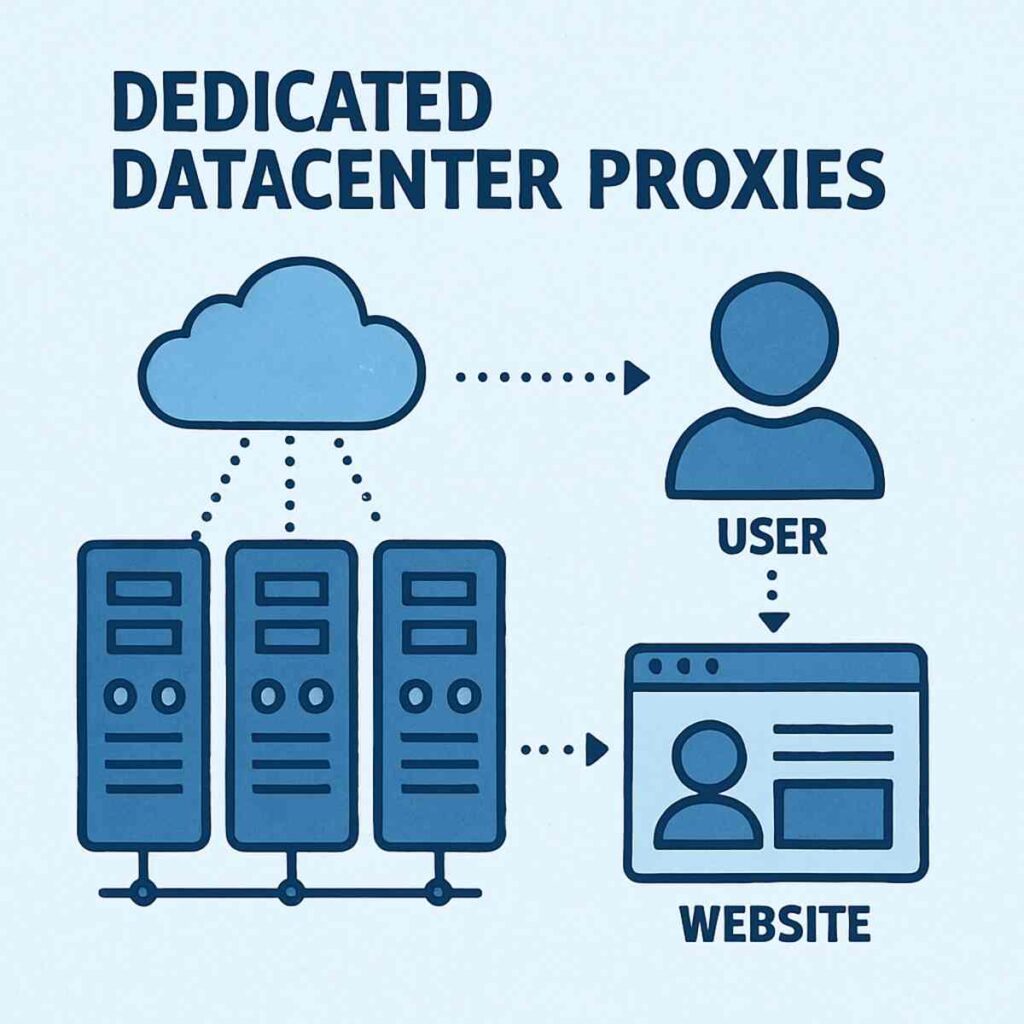
In the realm of web scraping, dedicated datacenter proxies have emerged as pivotal instruments for businesses and individuals aiming to efficiently and anonymously gather data from the web. These proxies act as intermediaries between users and the internet, concealing users’ IP addresses and enabling them to make requests to websites without disclosing their actual location. This article delves into the intricacies of dedicated datacenter proxies, exploring their benefits, operational mechanics, and their critical role in any web scraping strategy. Best way to find the proxies for google ads.
Dedicated datacenter proxies are proxy servers that originate from datacenters rather than residential or mobile networks. Unlike residential proxies, which route internet traffic through devices like home routers, datacenter proxies are created in large-scale server farms. This distinction provides several advantages in terms of speed, reliability, and cost-effectiveness.
What Are Datacenter Proxies?
Datacenter proxies are generated in commercial data centers, which are large facilities equipped with numerous servers. These proxies do not rely on an internet service provider (ISP) for connectivity, making them independent and versatile. The absence of ISP dependency ensures that datacenter proxies can offer consistent performance without the fluctuations that might affect residential proxies.
Differences Between Datacenter and Residential Proxies
While both datacenter and residential proxies serve the purpose of anonymity and unblocking, they differ significantly in their infrastructure and use cases. Residential proxies are tied to physical locations and real users, which can make them more authentic in appearance but also more expensive. In contrast, datacenter proxies are more robust and cost-effective, making them ideal for high-volume web scraping tasks.
Advantages of Datacenter Proxies
The primary advantages of datacenter proxies include their high-speed performance and cost-effectiveness. These proxies are built on powerful servers with high bandwidth, enabling them to handle substantial data requests swiftly. Additionally, their cost efficiency stems from centralized management, which reduces the overhead associated with maintaining multiple devices or connections, as is the case with residential proxies.
The Role of Proxies in Web Scraping
Web scraping involves the automated extraction of data from websites. It is a powerful technique used for various purposes, such as market research, price monitoring, and competitive analysis. However, many websites employ measures to detect and block scraping activities, often based on IP addresses. This is where proxies come into play.
The Importance of Anonymity in Web Scraping
Anonymity is crucial in web scraping to prevent blocking and to ensure uninterrupted data collection. Proxies provide this anonymity by masking the user’s real IP address, making it appear as though requests originate from different locations. This not only helps in evading IP-based restrictions but also mimics legitimate user behavior.
Overcoming Website Scraping Restrictions
Websites often implement sophisticated mechanisms to detect and block automated scraping. These include CAPTCHAs, rate limiting, and IP blacklisting. Proxies help bypass these restrictions by rotating IP addresses, thereby confusing the detection algorithms and allowing scrapers to continue their operations undetected.
The Role of IP Rotation
IP rotation is a key feature of proxies, particularly in the context of web scraping. By continuously changing the IP address from which requests are sent, scrapers can avoid being flagged by target websites. This rotation can be automated and configured to change after a set number of requests or time intervals, enhancing the effectiveness of scraping operations.
Benefits of Using Dedicated Datacenter Proxies
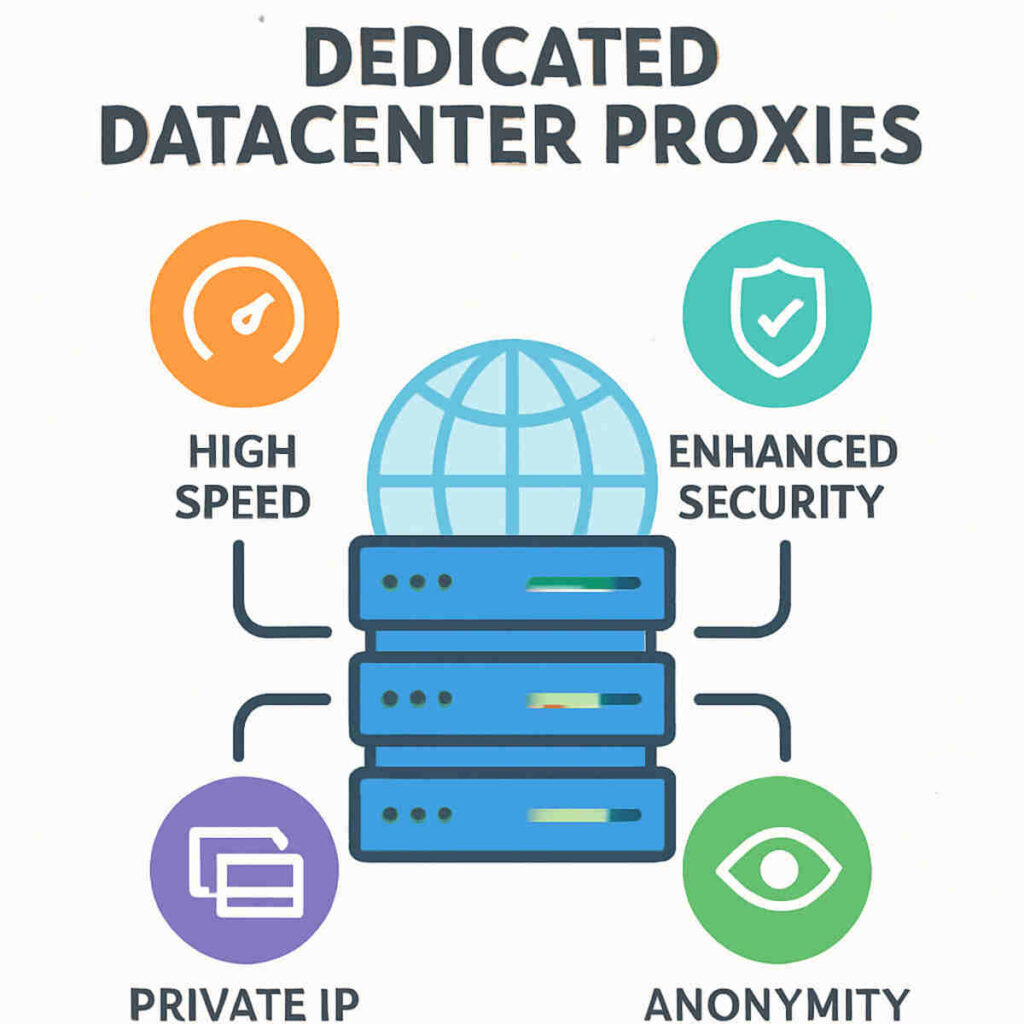
High-Speed Connectivity
One of the primary advantages of dedicated datacenter proxies is their high-speed connectivity. Since these proxies are hosted on powerful servers with robust internet connections, they can handle large volumes of requests quickly and efficiently. This speed is crucial when scraping data from websites with vast amounts of content or time-sensitive information.
Why Speed Matters in Web Scraping
Speed is a critical factor in web scraping, particularly when dealing with large-scale operations. Quick data retrieval ensures that information is up-to-date, which is essential for applications like market analysis and real-time pricing. Faster proxies reduce the time taken to scrape entire websites, thereby enhancing productivity and reducing operational costs.
Infrastructure Behind High-Speed Proxies
The infrastructure supporting high-speed proxies involves state-of-the-art server hardware and optimized network configurations. Data centers invest in high-capacity bandwidth connections and advanced routing technologies to ensure that their proxies deliver optimal performance. This infrastructure is designed to minimize latency and maximize throughput.
Comparing Speeds: Datacenter vs. Residential Proxies
While residential proxies offer the advantage of appearing more authentic, they are generally slower than datacenter proxies. The shared nature of residential connections and their reliance on ISP networks can introduce bottlenecks. In contrast, the dedicated infrastructure of datacenter proxies allows for uninterrupted, high-speed data access.
Enhanced Anonymity and Privacy
Dedicated datacenter proxies offer a significant level of anonymity. By masking the user’s IP address, these proxies ensure that the user’s identity remains hidden from the target website. This anonymity is particularly valuable in scenarios where users need to scrape data without the risk of being blocked or blacklisted.
Levels of Anonymity Offered by Proxies
Proxies come with varying levels of anonymity, including transparent, anonymous, and elite proxies. Dedicated datacenter proxies typically fall into the anonymous or elite categories, providing a higher degree of privacy. These proxies ensure that requests remain undetectable, safeguarding the user’s identity during scraping activities.
The Privacy Mechanisms of Datacenter Proxies
Datacenter proxies utilize advanced encryption and routing techniques to maintain user privacy. These mechanisms ensure that data transmitted between the user and the proxy server is secure, preventing interception by third parties. This layer of security is essential for protecting sensitive information during web scraping.
Avoiding Blacklisting with Anonymity
Blacklisting occurs when an IP address is identified as suspicious and subsequently blocked by a website. Anonymity provided by proxies helps avoid such scenarios by rotating IP addresses and masking the origin of requests. This reduces the likelihood of being flagged and ensures continuous access to target websites.
Cost-Effectiveness
Compared to residential proxies, dedicated datacenter proxies are generally more cost-effective. They do not require the maintenance of individual devices or connections, making them a budget-friendly option for businesses and individuals with extensive scraping needs. Moreover, the scalability of datacenter proxies allows users to expand their operations without incurring substantial additional costs.
Economic Benefits of Datacenter Proxies
The centralized nature of datacenter proxies leads to reduced operational costs. Unlike residential proxies, which require the management of multiple IPs across various locations, datacenter proxies are managed from a single point. This reduces the complexity and expense associated with maintaining a large proxy network.
Scalability of Datacenter Proxy Solutions
Scalability is a significant advantage of datacenter proxies, particularly for growing businesses. As data needs expand, users can seamlessly scale their proxy usage without the need for additional infrastructure investment. This scalability ensures that scraping operations can grow in line with business requirements.
Comparing Costs: Datacenter vs. Residential Proxies
Datacenter proxies are generally less expensive than residential proxies, making them more accessible for large-scale scraping projects. The cost savings achieved through datacenter proxies can be reinvested in other areas of the business, such as data analysis or additional scraping efforts.
How Dedicated Datacenter Proxies Work
To fully grasp the functionality of dedicated datacenter proxies, it is essential to understand their underlying mechanisms. These proxies operate by rerouting the user’s internet traffic through a datacenter server. Here’s a step-by-step breakdown of how they work:
- User Request: The user initiates a request to access a website or retrieve specific data.
- Proxy Server Assignment: The request is routed through a dedicated datacenter proxy server, which assigns a new IP address to the request.
- Anonymization: The proxy server forwards the request to the target website, masking the user’s original IP address.
- Data Retrieval: The website processes the request and sends the requested data back to the proxy server.
- User Delivery: The proxy server forwards the retrieved data to the user, maintaining the anonymity of the user’s identity.
Technical Architecture of Datacenter Proxies
The technical backbone of datacenter proxies involves sophisticated server configurations and network management protocols. These proxies are housed in data centers equipped with redundant power supplies, cooling systems, and high-speed internet connections. The architecture is designed to ensure maximum uptime and performance.
The Process of IP Assignment and Rotation
IP assignment and rotation are crucial processes in the operation of datacenter proxies. When a user sends a request, the proxy server dynamically assigns an IP address from its pool. This IP is rotated regularly to prevent detection, with automated systems ensuring seamless transitions between addresses.
Anonymization Techniques in Proxies
Anonymization is achieved through various techniques, including IP masking and data encryption. These methods ensure that the user’s identity remains concealed from the target website. Proxies employ encryption protocols to secure data transmission, preventing interception and maintaining privacy.
Selecting the Right Proxy Provider
When choosing a proxy provider, several factors should be considered to ensure optimal performance and reliability. Here are some key considerations:
IP Pool Size and Rotation
A large IP pool with frequent rotation is essential for effective web scraping. This ensures that requests are distributed across multiple IP addresses, reducing the risk of detection and blocking by target websites. Providers offering a vast pool of IPs and dynamic rotation options are ideal for large-scale scraping operations.
Importance of a Diverse IP Pool
A diverse IP pool is critical in avoiding detection during web scraping. A provider with a wide range of IP addresses across various locations minimizes the risk of blockages, as it becomes more challenging for websites to detect patterns in scraping activity. Diversity in the IP pool also allows for targeting region-specific content.
Frequency and Method of IP Rotation
The frequency and method of IP rotation play a vital role in maintaining the effectiveness of proxy use. Providers should offer customizable rotation settings, allowing users to adjust the rotation frequency based on their specific needs. Automated rotation mechanisms enhance stealth and prevent IP bans.
Evaluating Provider’s IP Pool Quality
Not all IP pools are created equal; therefore, evaluating the quality of a provider’s IP pool is crucial. Factors such as the geographical distribution of IPs, the number of unique addresses, and the provider’s reputation for maintaining clean IPs are essential considerations. A high-quality IP pool translates to more reliable and effective scraping.
Reliability and Uptime
The reliability of a proxy service is critical. Look for providers with a proven track record of high uptime and minimal downtime. This reliability ensures that scraping operations run smoothly without interruptions, maximizing data collection efficiency.
Assessing Uptime Guarantees
Reliable proxy providers offer uptime guarantees, often expressed as a percentage of time the service is operational. An uptime of 99% or higher indicates a dependable service with minimal disruptions. Assessing these guarantees can provide insights into the provider’s commitment to reliability.
Impact of Downtime on Scraping Operations
Downtime can severely impact scraping operations, leading to missed data collection opportunities and reduced efficiency. Selecting a provider with minimal downtime ensures that scraping activities can proceed uninterrupted, thereby maximizing data yield and operational success.
Redundancy Measures in Place
Providers with robust redundancy measures are better equipped to handle potential outages. Redundancy involves having backup systems and networks in place to take over in case of a failure. This ensures continuous service and reduces the risk of downtime affecting scraping tasks.
Customer Support and Scalability
Responsive customer support can be invaluable, especially when technical issues arise. Choose a provider that offers comprehensive support options and is willing to assist with any challenges that may occur. Additionally, consider the scalability of the proxy service. As your scraping needs grow, the provider should be able to accommodate increased demand seamlessly.
Evaluating Customer Support Quality
Quality customer support is a hallmark of a reputable proxy provider. Evaluate the provider’s support channels, such as live chat, email, and phone support, as well as their response times. Providers with 24/7 support and knowledgeable staff can quickly resolve issues, minimizing downtime and disruptions.
Scalability Options for Growing Needs
As businesses expand, so do their data requirements. A provider offering scalable solutions can accommodate increased proxy usage without compromising performance. Scalability options might include flexible pricing plans, additional IP allocations, and enhanced infrastructure to support larger data volumes.
Importance of Provider Reputation
A provider’s reputation is a reflection of their service quality and reliability. Researching customer reviews and industry feedback can provide valuable insights into the provider’s performance and customer satisfaction. A well-regarded provider is more likely to deliver consistent and dependable proxy services.
Best Practices for Using Dedicated Datacenter Proxies
To make the most of dedicated datacenter proxies, it is essential to follow best practices that enhance their effectiveness and ensure compliance with ethical guidelines. Here are some tips:
Respect Website Terms of Service
Always adhere to the terms of service of the websites you are scraping. Violating these terms can lead to legal consequences and damage your reputation. Ensure that your scraping activities align with the website’s policies and guidelines.
Understanding Legal Implications
Scraping websites without regard for their terms of service can have serious legal implications, including lawsuits and financial penalties. It’s crucial to understand the legal framework governing web scraping in your jurisdiction and the terms of the specific websites you are targeting.
Aligning with Ethical Standards
Ethical web scraping involves respecting the privacy and rights of website owners. This includes not scraping confidential or sensitive information and avoiding any actions that could harm the website’s functionality or security. Adhering to ethical standards fosters trust and credibility.
Seeking Permission When Necessary
In some cases, it might be beneficial to seek permission from website owners before scraping their content. This can lead to partnerships or agreements that allow for more extensive data access while respecting the site’s terms. Open communication can also prevent potential conflicts.
Implement Throttling and Rate Limiting
Throttling and rate limiting involve controlling the number of requests sent to a website within a specific timeframe. Implementing these techniques helps mimic human-like browsing behavior and reduces the likelihood of being flagged as a bot by the target website.
Benefits of Controlled Request Rates
Controlling the rate of requests helps prevent overwhelming the target website’s server, which can lead to blocking or throttling of IPs. A steady, controlled request rate mimics legitimate user activity, reducing the risk of detection and ensuring sustainable scraping operations.
Tools for Implementing Throttling
Various tools and software solutions are available to help implement throttling and rate limiting. These tools allow users to set parameters such as request intervals and maximum requests per hour, automating compliance with best practices and minimizing the risk of detection.
Balancing Efficiency with Compliance
While the goal of scraping is to collect data efficiently, it’s essential to balance this with compliance to avoid detection and ensure ethical practices. Careful planning and execution of request strategies can achieve this balance, optimizing data collection while respecting website policies.
Monitor Proxy Performance
Regularly monitor the performance of your proxies to ensure they are functioning optimally. Track metrics such as response times, success rates, and connection stability. This monitoring allows you to identify and address any issues promptly, maintaining the efficiency of your scraping operations.
Key Performance Indicators for Proxies
Monitoring key performance indicators (KPIs) such as latency, request success rates, and error rates can provide insights into proxy performance. These metrics help identify potential bottlenecks or issues, enabling timely interventions to maintain optimal performance.
Tools for Proxy Performance Monitoring
Several tools are available to assist with proxy performance monitoring. These tools offer real-time analytics and reporting, allowing users to track performance metrics and identify trends. Automated alerts can notify users of any issues, enabling quick resolution.
Adjusting Strategies Based on Performance Data
Performance data should inform your scraping strategies, allowing for adjustments to improve efficiency and effectiveness. This might involve changing IP rotation schedules, adjusting request rates, or switching proxy providers if performance issues persist.
Conclusion
Dedicated datacenter proxies are indispensable tools for web scraping, offering high-speed connectivity, enhanced anonymity, and cost-effectiveness. By understanding how these proxies work and following best practices, businesses and individuals can harness their power to gather valuable data from the web efficiently and ethically. Whether you are a seasoned scraper or a newcomer to the field, leveraging dedicated datacenter proxies can significantly enhance your data collection capabilities and contribute to informed decision-making. Through strategic use and adherence to ethical guidelines, these proxies can unlock new opportunities for data-driven insights and competitive advantage.